Guardian Angel Research Center

Current Studies

Available Clinical Trials

At Guardian Angel Research Center

Your participation is essential to contribute to the development of scientific knowledge and help advance the cures of tomorrow. The following studies are currently recruiting participants. Contact us today for detailed information.

  • Explore Our Ongoing Clinical Trials
  • Find a Study
  • Learn More About Participating
Ulcers

Ulcers

Phase: Phase 3 / Start Date: May 2025

Diabetic foot ulcers (DFUs) are ostensibly the most challenging types of chronic ulcerations to manage, given their multifactorial nature. Thorough, systematic assessment of a patient with a DFU is essential to developing a comprehensive plan of care.

A venous leg ulcer (VLU) is caused by vein disease that primarily affects older adults. As a prevalent problem among older patients, providing care for individuals with VLUs is time-consuming and costly.

Crohn's Disease

Crohn's Disease

Phase: Phase 3 / Start Date: Jan 2025

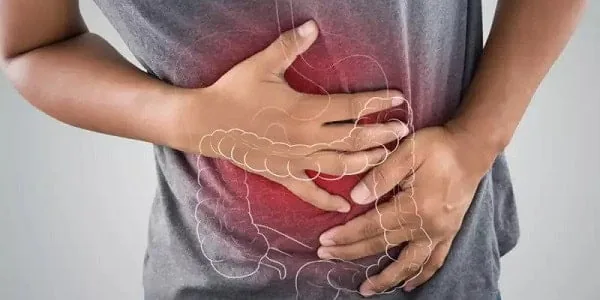
Crohn's disease is a type of inflammatory bowel disease (IBD). It causes swelling of the tissues (inflammation) in your digestive tract, which can lead to abdominal pain, severe diarrhea, fatigue, weight loss, and malnutrition. Inflammation caused by Crohn's disease can affect different areas of the digestive tract in different people, most commonly the small intestine.

This inflammation often spreads into the deeper layers of the bowel. Crohn's disease can be both painful and debilitating, and in some cases, it may lead to life-threatening complications.

COVID-19

COVID-19

Phase: Phase 3 / Start Date: Jan 2025

COVID-19 (coronavirus disease 2019) is a disease caused by the SARS-CoV-2 virus. It can be highly contagious and spread quickly. As of June 1, 2024, nearly 1.2 million people have died of COVID-19 in the U.

S. COVID-19 most often causes respiratory symptoms that can feel much like a cold, the flu, or pneumonia.

However, COVID-19 may affect more than just your lungs and respiratory system; other parts of your body can also be impacted. While most people with COVID-19 experience mild symptoms, some individuals become severely ill.

Enrollment Closed 813 512 7479
Alzheimer Related With Psychosis

Alzheimer Related With Psychosis

Phase: Phase 3 / Start Date: Jun 2026

Approximately 30% of patients with AD experience symptoms of psychosis, commonly consisting of hallucinations and delusions. These symptoms may be frequent and severe, and may recur over time.

Psychosis is surprisingly common in Alzheimer's disease (AD) and can emerge as part of the neurodegenerative disease process in advance of dementia during the mild cognitive impairment stage or even earlier.

Ulcerative Colitis

Ulcerative Colitis

Phase: Phase 3 / Start Date: Feb 2024

Have you been diagnosed with UC? Are you on treatment and still having flare-ups? Are you suffering from UC and don’t see any improvement in your condition? Are you willing to try different treatment opportunities? If so, this is for you. In this study will be trying a new medication on the treatment for UC, call the center to receive more information.

Gastroesophageal Reflux

Gastroesophageal Reflux

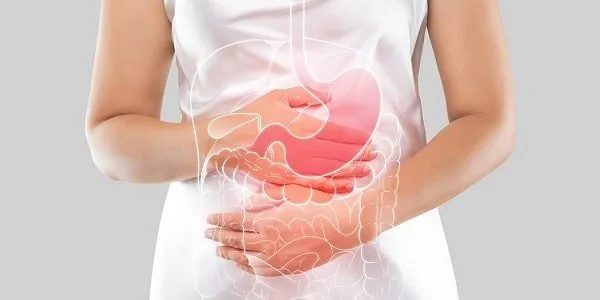
Gastroesophageal reflux disease, or GERD, is a digestive disorder that affects the ring of muscle between your esophagus and your stomach. This ring is called the lower esophageal sphincter (LES). If you have it, you may get heartburn or acid indigestion.

Migraine

Migraine

A migraine is a type of headache that can cause severe throbbing pain or a pulsing sensation, usually on one side of the head. It often comes with additional symptoms such as nausea, vomiting, and extreme sensitivity to light and sound.

Migraine attacks can last for hours to days, and the pain can be so intense that it interferes with daily activities.

Depression

Depression

Is a mental state of low mood and aversion to activity. It affects more than 280 million people of all ages (about 3.5% of the global population). Depression affects a person's thoughts, behavior, feelings, and sense of well-being.

Depressed people often experience loss of motivation or interest in, or reduced pleasure or joy from, experiences that would normally bring them pleasure or joy.

COPD

COPD

Phase: Phase 3 / Start Date: Jun 2026

Chronic obstructive pulmonary disease (COPD) is a chronic inflammatory lung disease that causes obstructed airflow from the lungs. Symptoms include breathing difficulty, cough, mucus (sputum) production, and wheezing. It is typically caused by long-term exposure to irritating gases or particulate matter, most often from cigarette smoke.

People with COPD are at increased risk of developing heart disease, lung cancer, and a variety of other conditions. With proper management, most people can achieve good symptom control and quality of life.

Celiac Disease

Celiac Disease

Phase: Phase 3 / Start Date: Jun 2026

Celiac disease is an immune reaction to eating gluten, a protein found in wheat, barley, and rye. Over time, the immune response to gluten creates inflammation that damages the small intestine's lining, preventing the absorption of some nutrients (malabsorption). The intestinal damage often causes diarrhea, fatigue, weight loss, bloating, and anemia, and can lead to serious complications.

No cure exists, but for most people following a strict gluten-free diet can help manage symptoms and promote intestinal healing.

75+

Studies Conducted

1500+

Patients Enrolled

99.3%

Retention Rate

99.7%

Patient Satisfaction

Smiling clinical research team at Guardian Angel Research Center

Why Is Clinical Research Important?

Guardian Angel Research Center

Clinical research plays a crucial role in advancing medical knowledge and improving patient care by exploring new treatments, therapies, and diagnostic procedures, as well as gaining insight into the underlying mechanisms of diseases.

Observational studies, in particular, are valuable in identifying potential risk factors for certain diseases, such as the connection between smoking and lung cancer.

Outcomes-based research helps healthcare providers determine the most effective treatments and therapies for various medical conditions. Additionally, clinical research plays a role in the development of innovative medical technologies.

Clinical research is conducted for the benefit of society, and the participation of volunteers is crucial in advancing medical knowledge. Many people choose to participate in clinical research with the goal of improving their own health and that of others. The opportunity to contribute to the advancement of medical science is a powerful motivator for many individuals.